

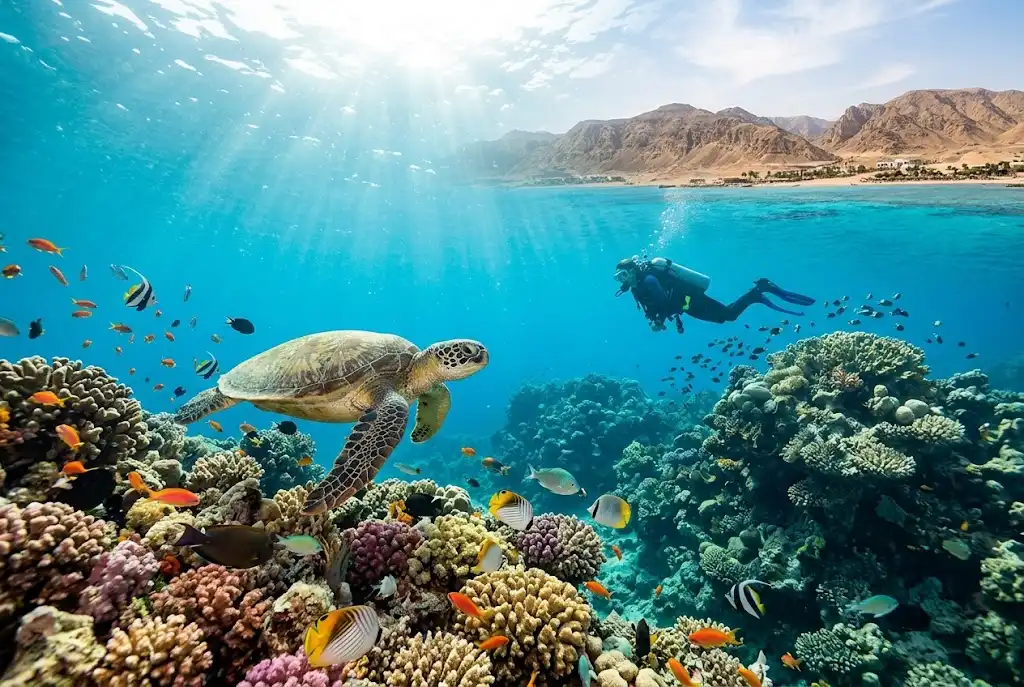
Stretching along Egypt’s southern Red Sea coastline, the region around Marsa Alam has quietly transformed from a sleepy fishing area into one of the world’s most sought-after destinations for underwater exploration. While the northern resorts of Hurghada and Sharm El Sheikh have long dominated travel brochures, savvy travelers have increasingly turned their attention southward, where pristine reefs remain healthier, crowds are thinner, and encounters with iconic marine life feel genuinely wild. Whether you are a certified diver chasing legendary dive sites, a German-speaking traveler researching your next holiday, or a family looking for calm, shallow lagoons perfect for floating above coral gardens, this corner of the Red Sea delivers experiences that rival anything found in the Caribbean or Southeast Asia.
Why Egypt’s Southern Coast Captivates Underwater Explorers
The magic of this destination lies in its unique geography. The Red Sea is a young ocean, formed by the slow separation of the African and Asian tectonic plates, and its waters are among the warmest, saltiest, and clearest on the planet. Visibility regularly exceeds 30 meters, water temperatures rarely drop below 22 degrees Celsius even in winter, and the coral ecosystems here have proven remarkably resilient to the bleaching events that have damaged reefs elsewhere in the world.
Beyond the natural conditions, the region offers something increasingly rare: accessibility to untouched marine environments. Many of the most spectacular reefs lie within protected areas such as Wadi El Gemal National Park, where fishing restrictions and mooring regulations have allowed coral colonies to flourish undisturbed for decades. Travelers who book marsa alam diving excursions often find themselves descending along walls of hard and soft corals that have never seen an anchor, surrounded by clouds of anthias and fusiliers, with barely another boat in sight. This combination of pristine conditions and professional infrastructure is what keeps divers returning year after year.
The town itself has grown thoughtfully. International airports connect the coast directly to European cities, resort developments have been balanced against conservation zones, and a community of experienced dive operators has emerged that prioritizes safety and environmental responsibility alongside adventure. It is a destination that manages to feel both established and undiscovered at the same time.
Legendary Sites and Marine Encounters You Should Not Miss
Any conversation about the area’s underwater treasures must begin with Elphinstone Reef, a slender cigar-shaped wall rising from abyssal depths some twenty kilometers offshore. Elphinstone is famous worldwide for its dramatic drop-offs draped in black coral, its frequent sightings of oceanic whitetip sharks, and the adrenaline rush of drifting past the famous arch formations near its southern tip. This is a site for experienced divers, but those who make the journey describe it as a bucket-list experience without exaggeration.
Equally compelling is the Sataya Dolphin Reef, also known as Dolphin House, a vast horseshoe-shaped lagoon where a resident pod of spinner dolphins rests and plays between feeding excursions. Snorkelers and divers alike can observe these intelligent animals in their natural habitat, always under the watchful guidance of crews trained to ensure interactions remain respectful and non-intrusive. Further south, the reefs of Fury Shoals offer a maze of caves, swim-throughs, and coral pinnacles teeming with turtles, napoleon wrasse, and reef sharks, while the Abu Dabab bay has become renowned as one of the most reliable places on Earth to encounter the gentle giant of the seagrass meadows: the dugong.
Wreck enthusiasts are not forgotten either. The coast holds several accessible sunken vessels, and liveaboard itineraries departing from nearby ports extend the range to the legendary wrecks further north, combining history and marine life in single unforgettable descents. For photographers, the macro life is equally rewarding; frogfish, ghost pipefish, nudibranchs of every color, and cryptic octopuses reward patient eyes on nearly every dive.
Tanks or Masks: Choosing the Experience That Suits You
One of the region’s greatest strengths is that it welcomes everyone, regardless of certification level or comfort in the water. Certified divers can choose from daily boat trips, shore dives from sheltered bays, or multi-day liveaboards that reach the most remote reef systems. Beginners are equally well served, as many shallow, sandy-bottomed bays provide ideal training conditions with calm water and abundant marine life even at two meters deep. German visitors in particular will appreciate how well-established the local infrastructure is for international guests; comprehensive information about courses, equipment, and trip planning is readily available through resources covering tauchen marsa alam, making preparation from home straightforward and stress-free.
For those who prefer to stay near the surface, the snorkeling opportunities here are genuinely world-class rather than an afterthought. Sheltered lagoons like Abu Dabbab, Sharm El Luli, and the mangrove-fringed shallows of Wadi El Gemal allow families with children and non-swimming companions to float over thriving coral gardens just steps from the beach. Turtles graze on seagrass within meters of the shoreline, schools of barracuda patrol the outer reef edges, and the colors visible in the midday sun rival any aquarium. Organized marsa alam snorkeling trips add value by handling permits, transportation, and guide supervision, ensuring even first-time visitors access the best spots safely and responsibly. There is no requirement to ever strap on a tank to fall in love with this sea; some of its finest spectacles happen within arm’s reach of the surface.
Planning Your Journey: Seasons, Logistics, and Practical Advice
The destination is genuinely a year-round option, though each season offers distinct advantages. Summer months bring the warmest water and the highest chance of encountering whale sharks and manta rays, particularly around plankton-rich reef points. Winter attracts larger pelagic species closer to the walls, including hammerhead schools at certain offshore sites, and air temperatures remain pleasantly mild compared to Europe’s grey months. Spring and autumn strike an excellent balance, offering calm seas, superb visibility, and comfortable topside temperatures for combined land and sea itineraries.
Logistically, flying directly into Marsa Alam International Airport saves travelers the four-hour transfer from Hurghada, and numerous charter connections operate seasonally from major German, Italian, Polish, and British cities. Accommodation ranges from all-inclusive resorts to boutique eco-lodges tucked into the desert landscape, and rental cars allow independent exploration of the coastal road’s hidden bays. Beyond the water, the region rewards curiosity: desert safaris to Bedouin settlements, stargazing excursions far from light pollution, and the magnificent temples of Luxor are all within day-trip distance for those wanting to blend culture with their marine adventure.
A few practical notes will smooth any itinerary. Sun protection is essential both above and below the water, so reef-safe sunscreen and rash guards are strongly recommended. Hydration matters in the arid climate, and travelers prone to seasickness should pack remedies for open-water crossings. Most importantly, book popular excursions like dolphin reef trips and Elphinstone charters in advance during peak season, as spaces fill quickly.
Protecting Paradise: Exploring Responsibly
The future of this remarkable coastline depends on the behavior of every visitor who enters its waters. Simple choices make a measurable difference: never touching or standing on coral, maintaining buoyancy control to avoid accidental contact, refusing single-use plastics, and choosing operators committed to sustainable practices. The local community has invested heavily in protecting these reefs through marine park designations and education programs, and respectful tourism ensures the investment pays off for generations to come.
Few places on our planet still offer the combination of thriving ecosystems, accessible adventure, and authentic hospitality found along this stretch of Egyptian coast. Whether you descend into the blue on scuba or drift lazily above gardens of coral with nothing but a mask and fins, you will leave with memories that call you back to the Red Sea again and again. The only real question is not whether to go, but how soon you can arrive.
