

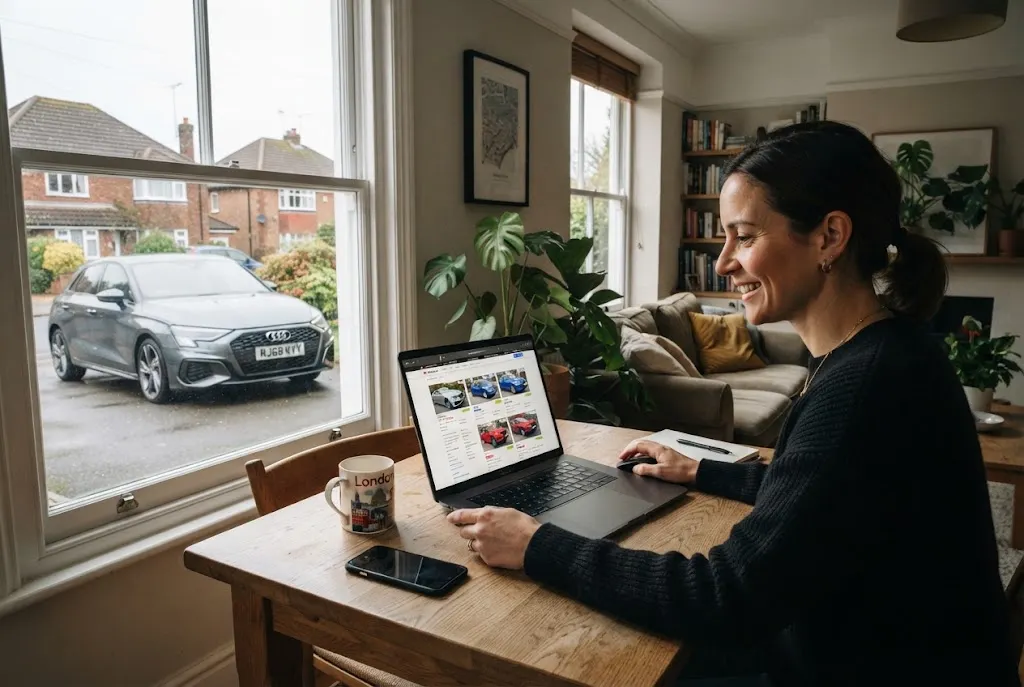
AutoTrader UK has become a major part of the modern car-buying journey, giving motorists a way to compare vehicle listings, prices, dealers and specifications without visiting multiple forecourts. The shift towards digital research has changed what buyers expect from the automotive market. Instead of starting at a local dealership and seeing whatever is available, many consumers now begin their search online and use digital platforms to narrow down their options.
That does not mean physical dealerships have become irrelevant. Buying a car remains a significant financial decision, and many people still want to see, inspect and drive a vehicle before completing a purchase. However, online marketplaces have changed the balance of power by giving buyers access to more information before they enter a showroom or contact a seller.
Why Is AutoTrader UK So Important to Car Buyers?
AutoTrader UK operates as a digital automotive marketplace connecting buyers with vehicle sellers. Its current platform allows motorists to search for new, used and nearly new vehicles using criteria such as postcode, make and model, while listings can also include information designed to help buyers assess pricing, history and sellers.
This matters because car buying has traditionally involved a relatively local search. A buyer might visit several dealerships within driving distance before finding a suitable vehicle. A digital marketplace removes much of that geographical limitation at the research stage.
A motorist can compare vehicles from different dealers, consider different specifications and investigate prices before deciding which cars are worth pursuing. That makes the early stages of buying more efficient and can reduce the pressure to make a decision based solely on what happens to be available at one dealership.
Are Online Car Marketplaces Winning the Research Battle?
In terms of vehicle research, online marketplaces have a significant advantage. Buyers can search large numbers of listings quickly, apply filters and compare vehicles that would otherwise require visits to multiple locations.
For example, a buyer looking for a family SUV can narrow results by budget, mileage, fuel type, transmission, age and location. Instead of spending an entire weekend visiting forecourts, they can establish a shortlist from home.
This has also changed the role of the dealership. The dealer is increasingly contacted after the buyer has already researched the vehicle, its approximate market value and potentially competing listings.
As a result, the digital marketplace is not simply another advertising channel. It can become the first stage of the entire buying journey.
How Vehicle Listings Have Changed Buyer Expectations
Detailed vehicle listings give consumers more information before they decide whether to contact a seller. Photographs, mileage, specifications, fuel type, transmission, pricing and seller information can all contribute to the initial assessment.
Auto Trader also provides price-related information on its used-car marketplace. Its current platform includes indicators showing how a vehicle’s price compares with similar cars, helping buyers understand whether an advertised vehicle appears to be below or around the market level.
This kind of information can make buyers more confident when negotiating. Rather than relying entirely on a salesperson to explain whether a price is competitive, consumers can conduct their own research before starting the conversation.
However, an advertised price is only one part of a buying decision. Condition, service history, specification, ownership history and future maintenance costs can all affect whether a vehicle represents good value.
Can You Really Buy a Car Online?
The ability to buy a car online has developed considerably. Some sellers now provide digital journeys that allow customers to complete more of the purchase remotely, while others combine online research with traditional showroom visits.
Auto Trader’s current online-buying guidance explains that some sellers offer services such as part-exchange valuations, finance applications and vehicle reservations through the online journey. It also provides information about home delivery and what customers should do when a vehicle arrives.
This hybrid approach may be more realistic than expecting every customer to complete the entire transaction without seeing the car. Some buyers are comfortable making a remote purchase, while others want a test drive or physical inspection before committing.
The important development is that customers can choose how much of the process they want to complete digitally.
Why Home Delivery Is Changing the Buying Journey
Nationwide delivery can make online vehicle marketplaces even more useful. A buyer no longer necessarily needs to find a suitable car within a short driving distance. If the seller offers delivery, the search can extend across a much wider geographical area.
Auto Trader states that vehicles available for home delivery can be identified through its platform, with buyers able to search using their postcode and home-delivery options.
This creates an interesting shift in the traditional relationship between location and vehicle choice. A buyer in one part of the UK can potentially consider a vehicle advertised by a dealer much farther away.
However, distance should not remove the need for due diligence. Buyers should understand the delivery terms, inspect the vehicle when it arrives and make sure the car matches its description and agreed condition.
Are Online Dealerships Replacing Traditional Forecourts?
Online dealerships have gained attention because they are designed around convenience. Customers can browse stock, compare cars and, in some cases, arrange finance, part exchange and delivery without following the traditional dealership process.
Yet the distinction between online and traditional dealerships is becoming less clear. Many established dealers now use digital marketplaces to advertise their stock, while some online-focused retailers offer physical locations, test drives or collection options.
The market is therefore moving towards an omnichannel model rather than a simple online-versus-offline competition. Buyers may discover a vehicle online, speak to a dealership digitally, inspect it in person and complete some paperwork remotely.
That flexibility can benefit consumers because the buying process becomes less dependent on a single channel.
What Makes a Digital Car Marketplace Useful?
A successful digital car marketplace needs to solve several problems for buyers. It needs to provide enough vehicle choice while also making that choice manageable.
Search filters are therefore important. Without them, a large inventory can become overwhelming. Buyers need to narrow results according to the factors that actually matter to them, such as budget, body type, mileage and location.
Trust information is equally important. Auto Trader’s current used-car platform highlights dealer reviews and vehicle history checks as part of its approach to helping buyers make more informed decisions.
This reflects a broader change in consumer behaviour. Buyers increasingly want evidence before contacting a seller rather than simply taking an advertisement at face value.
Does More Choice Always Mean a Better Deal?
More choice can be valuable, but it can also create new problems. Hundreds or thousands of similar listings can make it difficult to identify the genuinely attractive options.
A low advertised price may have a reason behind it. The vehicle could have higher mileage, fewer features, a shorter history or condition issues compared with similar examples.
Buyers should therefore avoid treating search results as a simple list from cheapest to most expensive. The right comparison involves the full vehicle specification, history, condition, mileage, seller reputation and likely ownership costs.
This is particularly relevant when considering older vehicles. A low purchase price can be attractive initially, but maintenance and repairs may affect the overall value.
Why Vehicle Inspection Still Matters When Buying Online
Online research cannot completely replace physical assessment. Photographs can provide useful information, but they cannot reveal every mechanical or structural issue.
That is why a vehicle inspection before buying can remain valuable even when the entire search begins online. An independent inspection may help identify problems that are difficult for a buyer to recognise from photographs or a short viewing.
This becomes especially important when purchasing a vehicle from another part of the UK. If a buyer is considering delivery rather than visiting the dealership, arranging appropriate checks before completing the transaction can provide additional reassurance.
Digital marketplaces make finding cars easier, but buyers still need to apply traditional due diligence to the vehicle itself.
How Online Buying Connects With Car Finance
Another important development is the integration of finance into digital vehicle shopping. Buyers can increasingly research a vehicle and consider financing options during the same online journey.
This can be convenient, but it also creates a potential trap. A buyer may become focused on whether a vehicle fits a particular monthly payment instead of considering its total price and ownership costs.
Before using finance, motorists should compare the total amount payable, interest rate, deposit and contract structure. Our guide to car finance and ownership affordability provides further context on evaluating vehicle finance beyond the headline monthly repayment.
Online convenience should make comparison easier, not encourage buyers to make faster decisions without understanding the financial commitment.
Can Online Marketplaces Improve Price Transparency?
One of the strongest arguments for digital marketplaces is greater visibility of comparable vehicles. If several dealers are advertising similar models, buyers can see how prices differ across the market.
Auto Trader’s valuation and pricing tools are designed to help consumers understand the approximate value of vehicles using market information, including live advertisements and dealer websites.
This can make negotiations more evidence-based. A buyer who understands the range of comparable prices can ask more informed questions about why one vehicle costs more than another.
Nevertheless, price transparency does not remove the need to evaluate condition. Two cars with the same make, model and year can have very different histories and maintenance requirements.
What Are the Risks of Buying a Car Online?
Online buying can reduce friction, but it introduces its own considerations. The biggest issue is that the buyer may not physically see the vehicle before committing.
Other considerations include:
- Checking the vehicle history and MOT record.
- Confirming the seller’s identity and reputation.
- Reading the full vehicle description carefully.
- Checking whether the advertised price includes all relevant costs.
- Understanding delivery arrangements and charges.
- Confirming the finance terms where applicable.
- Understanding cancellation and return rights.
- Inspecting the vehicle promptly after delivery.
- Keeping records of communications and agreed conditions.
Auto Trader’s online-buying guidance also advises customers to check the vehicle carefully when it is delivered and notes that consumer protections may apply to qualifying distance sales. Buyers should review the applicable terms and legal requirements for their individual transaction rather than assuming every online purchase has identical rights.
Are Traditional Dealerships Losing Their Advantage?
Traditional dealerships still have advantages that online marketplaces cannot completely replicate. Customers can see a vehicle in person, take a test drive where available, speak directly with staff and sometimes compare several vehicles on the same site.
However, dealerships increasingly have to compete on digital presentation as well as physical experience. Poor photographs, incomplete descriptions or limited online information can make a vehicle less attractive before a potential buyer ever considers visiting.
The showroom is therefore no longer the only place where a dealership makes its impression. The first impression may happen through a search result, vehicle listing or online review.
Is Online Car Buying Better for Used Cars?
The online model is particularly useful for the used-car market because used vehicles vary so much in specification, mileage, condition and price.
A buyer looking for a specific combination may have difficulty finding it locally. A digital marketplace can expand the search and make rare specifications easier to locate.
Auto Trader describes itself as the UK’s largest digital automotive marketplace and says it has evolved from its earlier print-magazine roots into a digital platform serving the vehicle-buying process.
For buyers, that evolution means the online search is no longer simply a way to browse advertisements. It has become an important part of understanding the used-car market itself.
What Should Buyers Do Before Ordering a Car Online?
Anyone planning to complete a vehicle purchase digitally should create a clear process rather than relying entirely on the marketplace interface.
- Set a realistic purchase budget.
- Research the model and its typical market value.
- Compare several similar listings.
- Review the seller’s reputation and available reviews.
- Check vehicle history and MOT information.
- Review the service history where available.
- Arrange a professional inspection for higher-value or uncertain purchases.
- Understand finance terms before accepting an offer.
- Confirm delivery costs and arrangements.
- Read the relevant purchase, cancellation and return terms.
- Inspect the vehicle carefully when it arrives.
This approach keeps the convenience of online shopping while retaining the caution that should accompany any major vehicle purchase.
Are Online Car Marketplaces Winning?
Online car marketplaces are clearly winning a larger share of the vehicle research and comparison process. Their strength comes from convenience, choice, searchable listings, pricing information and the ability to connect buyers with sellers across a much wider area.
But that does not necessarily mean physical dealerships are disappearing. Instead, the buying journey is becoming increasingly connected. A consumer can discover a car online, compare prices digitally, contact a dealer, arrange an inspection, visit a showroom and potentially complete parts of the transaction remotely.
AutoTrader UK sits at the centre of that shift because it brings a large selection of vehicles and sellers into one searchable environment. Its current online-buying tools also show how the platform is moving beyond simple classified listings towards a more complete digital buying journey.
The Future of Car Buying Is Likely to Be Hybrid
The strongest model for UK car buying may not be entirely online or entirely physical. Instead, consumers are likely to combine both.
Online platforms are excellent for research, comparison and discovering vehicles. Dealerships remain useful for physical inspections, test drives, discussions and final reassurance. Delivery services can bridge the gap between the two.
For motorists, the biggest advantage is choice. They no longer have to rely solely on the vehicles available at their nearest forecourt. At the same time, they should not allow digital convenience to replace proper due diligence.
The marketplace may help a buyer find the right car, but the responsibility for deciding whether that particular vehicle is right remains with the buyer.
As online car buying continues to develop, the most successful consumers will be those who combine digital research with careful vehicle checks, realistic finance decisions and a clear understanding of total ownership costs.
