

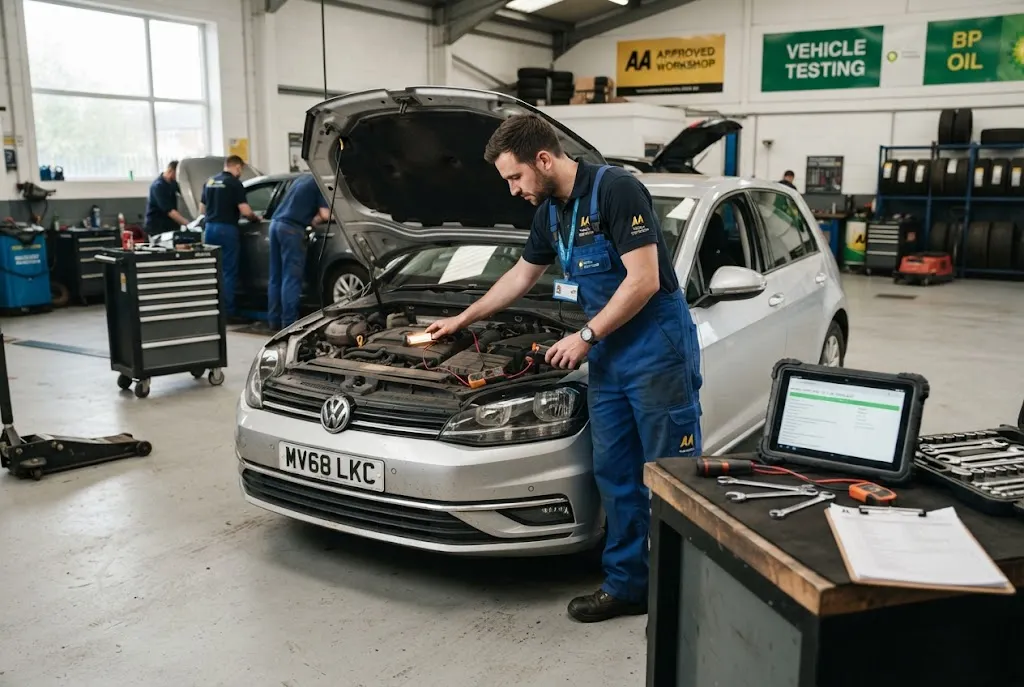
A vehicle inspection has become an important part of the used-car buying process as UK motorists look beyond appearance, price and a short test drive. Buyers increasingly want evidence about a vehicle’s mechanical condition, previous use, MOT record and maintenance before committing their money. That shift reflects a simple reality: a car can look excellent on the outside while still hiding expensive problems underneath.
Vehicle history and professional inspections do different jobs. A history check can reveal information about a car’s past, while an independent inspection can assess its present condition. Used-car buyers who understand the difference can make better decisions and reduce the risk of taking on unexpected repair costs.
Why Is a Vehicle Inspection So Important?
Buying a used vehicle involves uncertainty. Even when a seller provides photographs, paperwork and a convincing description, it can be difficult for an ordinary buyer to identify mechanical or structural problems during a brief viewing.
A professional vehicle inspection adds another layer of evidence. Depending on the inspection level, an engineer may assess areas such as the bodywork, tyres, brakes, steering, suspension, engine compartment, controls and other components. Some inspections also include a road test and a written report.
The purpose is not to guarantee that a vehicle will never develop a fault. Instead, an inspection gives the buyer a more informed assessment before completing the purchase.
Vehicle History and Physical Condition Are Different
One of the most important points for buyers to understand is that vehicle history and vehicle condition are not interchangeable.
A history check may identify issues such as outstanding finance, theft records, write-offs, mileage concerns or registration information. The UK Government also recommends checking a used vehicle’s MOT history, vehicle details and safety recalls before buying.
An inspection, meanwhile, focuses much more heavily on the vehicle itself. It can identify visible or mechanical concerns that may not appear in a database record.
Using both approaches gives buyers a broader picture. History can explain where the vehicle has been, while an inspection can help establish what condition it is in today.
What Does a Vehicle Inspection Usually Check?
The exact scope depends on the provider and inspection level. A basic inspection may concentrate on major mechanical and structural areas, while a more comprehensive assessment can examine considerably more components.
Common inspection areas can include:
- Bodywork and exterior condition
- Wheels and tyres
- Brakes
- Steering and suspension
- Engine compartment
- Cooling and fluid systems
- Electrical controls
- Exhaust and fuel systems
- Interior and vehicle controls
- Signs of corrosion or previous repairs
- Road-test performance
The RAC, for example, currently offers Basic, Comprehensive and Advanced inspection levels. Its more detailed options include broader mechanical and structural checks, road testing and engineer reports, with the Advanced inspection adding diagnostic checks and other features.
Are AA Car Inspections Worth Considering?
An AA car inspection is one option available to UK buyers who want an independent assessment before purchasing a used vehicle. The AA says its inspection service is designed to give buyers information about a prospective vehicle’s condition and can help identify issues that may not be obvious during a test drive.
The AA currently offers different inspection levels, ranging from a basic check to more detailed comprehensive and advanced options. Its published information shows that inspections can cover areas including bodywork, tyres, brakes, steering, suspension and mechanical components, with higher-level inspections providing more extensive checks and photographic or video reporting.
For a buyer considering an expensive used car, the cost of an inspection can be easier to justify when compared with the potential cost of repairing an issue discovered after purchase.
What About an RAC Inspection?
An RAC inspection provides another established option for buyers who want a professional assessment before purchasing a used vehicle.
The RAC currently provides three inspection levels. Its Basic inspection includes mechanical and structural checks, an underbody check, a road test and an engineer condition report. The Comprehensive option expands the inspection to 307 points and includes additional checks, a longer road test and a report with an engineer summary. The Advanced option adds diagnostic checks and further features.
Buyers should compare the inspection scope rather than choosing a provider based solely on the brand name. Different inspection packages can cover different areas, so the most appropriate option depends on the vehicle and the level of reassurance required.
Why Service History Matters to Used-Car Buyers
Service history provides another important piece of the buying puzzle. A well-documented record can show whether routine maintenance has been carried out and may provide evidence about how the vehicle has been looked after.
However, service history should not be treated as proof that the vehicle is currently fault-free. A car can have a good maintenance record and still develop a mechanical problem. Likewise, an incomplete history does not automatically mean a vehicle is unsafe, although it may justify additional investigation.
Buyers should look for consistency between the service records, MOT history, mileage and the vehicle’s current condition. Any significant gaps or inconsistencies deserve further questions before money changes hands.
Why Vehicle History Checks Still Matter
A professional inspection cannot replace a history check. The two services answer different questions.
For example, the Government’s official MOT history service allows buyers to see previous MOT results and recorded mileage, along with information about failures and minor problems where available.
Commercial vehicle history services can provide additional information. RAC’s vehicle history check, for example, covers areas including outstanding finance, write-off records, theft, mileage and import or export information.
This information can be particularly valuable because some problems are not visible during a physical inspection. A vehicle could appear mechanically sound while its history reveals an issue that changes whether it is worth buying.
Pre-Purchase Inspection: When Should You Get One?
A pre-purchase inspection should ideally happen before you commit to buying the vehicle. The timing matters because the inspection is most useful when you still have the ability to negotiate, walk away or ask the seller to address identified issues.
The AA notes that an inspection can give buyers information that may help them decide whether to purchase and potentially support discussions with a seller about fixing problems or reducing the price.
It can be particularly sensible when:
- The vehicle is expensive.
- You are buying privately.
- The car has incomplete or unclear records.
- The vehicle has unusually high mileage.
- The asking price seems unusually low.
- You are buying a specialist, hybrid or electric vehicle.
- You cannot inspect the vehicle confidently yourself.
- The car is located far from your home.
Do Dealer Checks Make an Independent Inspection Unnecessary?
Some dealerships conduct their own inspections before putting used vehicles on sale. These checks can be useful, but buyers should ask exactly what was inspected, when the inspection happened and whether a written report is available.
An independent inspection can provide an additional perspective because the buyer is commissioning an assessment specifically before purchase. That can be particularly useful when the financial commitment is significant.
It is also worth remembering that inspection providers have limits. The AA states that its inspections provide a general assessment and are not intended to diagnose a specific issue.
Therefore, if you already have concerns about a particular mechanical fault, you may need a specialist diagnostic assessment rather than relying solely on a general pre-purchase inspection.
How Inspection Reports Help Buyers Make Decisions
Inspection reports turn a technical assessment into information the buyer can use when deciding whether to proceed.
A report may identify faults, areas of wear, cosmetic issues or components that deserve attention. More detailed inspections can also include photographs, road-test findings and an engineer’s explanation of the vehicle’s condition.
The most useful approach is to separate findings into three broad groups: problems that require immediate attention, issues that may need attention in the near future, and normal wear that is consistent with the vehicle’s age and mileage.
This helps buyers avoid two common mistakes. The first is ignoring a serious issue because the car looks attractive. The second is rejecting a perfectly reasonable used car because an inspection identifies minor wear that would be expected for its age.
Can an Inspection Help With Price Negotiation?
Yes, an inspection can provide useful evidence during negotiations, although it does not guarantee that a seller will reduce the price.
If an engineer identifies a significant repair requirement, the buyer can use that information to ask whether the seller is willing to resolve the problem or reconsider the price. The inspection therefore changes the negotiation from a general request for a discount into a discussion based on specific findings.
Buyers should still remain realistic. A used car will normally have some wear, and not every inspection finding justifies a large reduction. The key is understanding the likely importance and cost of each issue.
Why Buyers Trust Vehicle History More Than Ever
Modern buyers have access to more vehicle information than previous generations. Government MOT records, commercial history checks, service documents, inspection reports and digital vehicle listings can all contribute to the buying decision.
This availability of information has changed expectations. Buyers are less willing to rely solely on a seller’s description or the appearance of a vehicle. They increasingly want evidence that supports the claims being made about the car.
That does not mean every online record is perfect, nor does it eliminate the need for professional judgement. Instead, it gives buyers more tools for identifying inconsistencies and asking better questions before purchasing.
Vehicle Inspection and the Cost of Ownership
A vehicle inspection can also connect directly to the wider cost of owning a car. Identifying a worn component before purchase may help a buyer understand what expenses could arrive soon after taking ownership.
This is particularly important when the vehicle is being purchased through finance. A buyer may be comfortable with the monthly finance payment but struggle if the car immediately requires a large repair.
That is why inspection should be considered alongside the broader buying decision. Understanding the vehicle’s condition can complement research into car finance and ownership affordability, particularly when comparing newer and older vehicles.
What Buyers Should Check Before Paying for a Used Car
The UK Government recommends several checks before purchasing a used vehicle. Buyers should verify the vehicle’s details, check its MOT status and history, look for safety recalls and inspect the V5C log book.
A sensible buying process can therefore look like this:
- Research the make, model and typical market price.
- Obtain the registration details and relevant vehicle information.
- Check the official MOT history.
- Review available service records.
- Carry out an appropriate vehicle history check.
- Inspect the car yourself during a viewing.
- Arrange an independent pre-purchase inspection where appropriate.
- Review the inspection report carefully.
- Ask the seller about significant findings.
- Only then decide whether the vehicle represents good value.
Does Every Used Car Need a Professional Inspection?
Not necessarily. The decision depends on the vehicle, purchase price, seller, condition and buyer’s confidence.
A relatively inexpensive vehicle with a transparent history may not justify the same level of inspection as an expensive used car. On the other hand, a high-value vehicle with unclear records or unusual specifications can present enough potential risk to make an independent inspection worthwhile.
The important point is to consider the inspection cost in relation to the potential financial consequences of getting the purchase wrong.
The Future of Used-Car Buying Is More Evidence-Based
The used-car market is becoming increasingly information-driven. Buyers can compare vehicles online, review MOT records, examine service documentation and obtain professional assessments before completing a transaction.
That trend is likely to continue as motorists become more conscious of repair bills and overall ownership costs. A car’s appearance and advertised price remain important, but they are no longer enough to support a confident purchase decision.
A vehicle inspection provides one of the clearest ways to add independent evidence to that process. Combined with vehicle history, MOT records and service history, it can give buyers a much more complete understanding of what they are actually purchasing.
The goal is not to find a used car with absolutely no imperfections. Used vehicles naturally show signs of age and use. The goal is to understand those imperfections before buying, distinguish manageable wear from serious problems and make a decision based on evidence rather than appearances.
For UK motorists, that approach can make the difference between simply finding a car that looks right and finding a vehicle that genuinely fits their needs, budget and expectations.
