

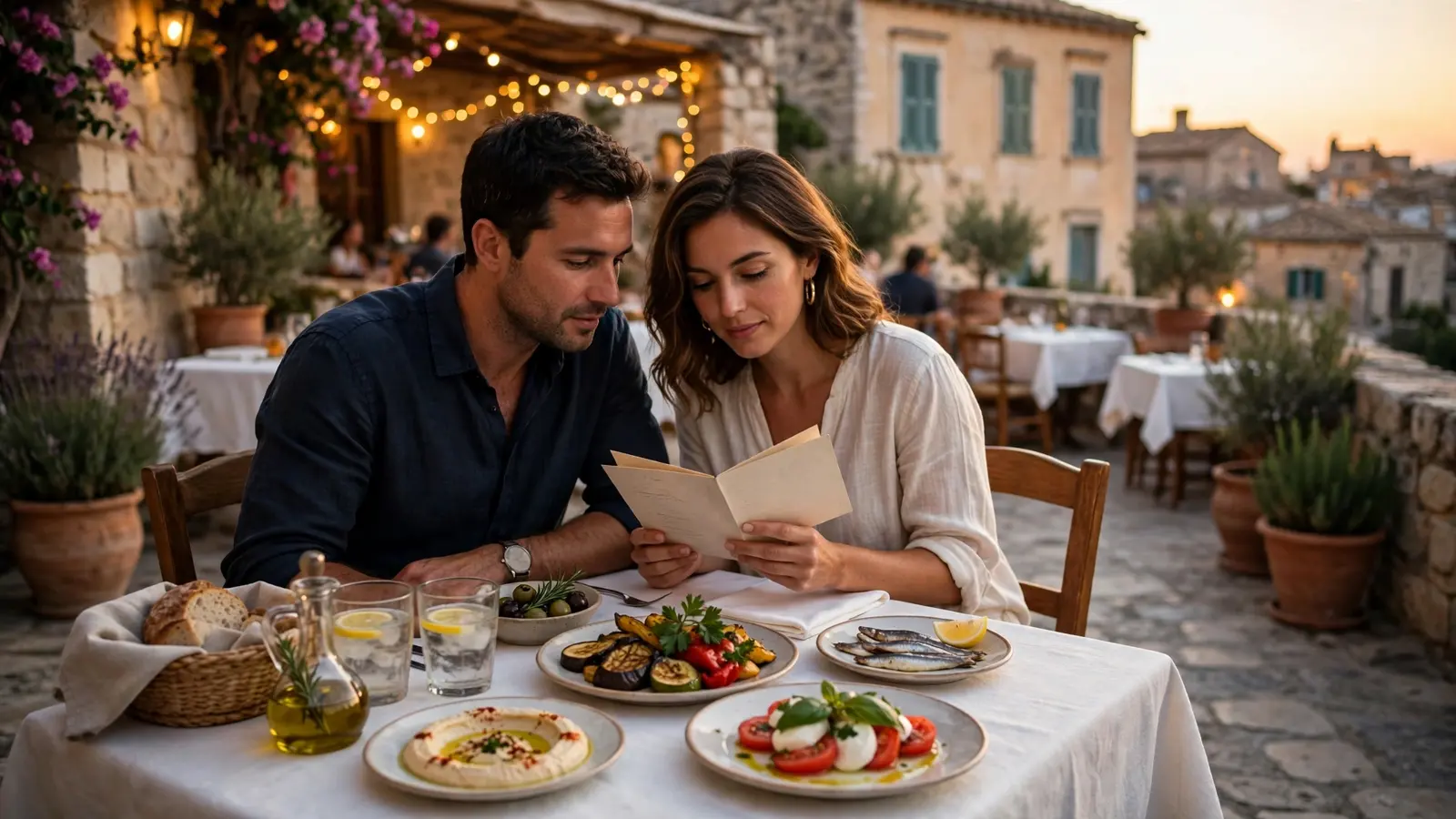
Eating well abroad is half the pleasure of travelling, and it is also where most trips quietly go wrong. The restaurant you pick on your first night sets the tone for the whole holiday, and the difference between a memorable meal and a forgettable one is rarely the price. It is the skill of knowing where to look, what to read on a menu, and when to walk away.
This guide covers how to find a good restaurant abroad, from a little research before you leave to the judgement call you make standing outside the door.
Do a little research before you leave
The best meals usually start at home, not on the street. Before a trip, spend twenty minutes learning what the local food actually is. Every region has dishes that travel badly and dishes that define it, and knowing the difference stops you ordering a generic pasta in a city famous for its seafood.
Read one or two local food blogs rather than a dozen round up lists. Blogs written by people who live there name the small places, explain the ordering habits, and tell you which dishes to try in which season. If you are planning a trip to Egypt, our guide to the best places to visit in Egypt is a good place to start pairing sights with meals.
Save three or four promising addresses on your phone before you fly. That shortlist is your safety net on the first night, when you are tired, hungry and most likely to settle for the first brightly lit doorway.
Read reviews like a local, not like a tourist
Review sites are useful, but only if you read them the right way. Look for patterns rather than stars. A restaurant with hundreds of recent reviews that mention the same dishes is a safer bet than one with a perfect score and twelve reviews written in a single month.
Pay attention to reviews in the local language. If a place is loved by people who live nearby, that tells you more than fifty glowing reviews from visitors who stayed one night. Photos of the actual food, rather than the view, are another good sign, and a menu posted online with prices in the local currency is worth more than any star rating.
Watch for the same complaint appearing again and again. One bad review about slow service is noise. Ten reviews mentioning cold food or a bill that grew after ordering is a pattern.
The menu tells you almost everything
Stand outside and read the menu before you sit down. A short menu that changes with the season is usually a cook who buys fresh and knows their strengths. A menu that runs to five pages, covers three continents and never changes is usually a kitchen buying frozen and hoping for the best.
Look for the house dishes. A restaurant that leads with a handful of local specialities is proud of its cooking. One that leads with a photo of a burger and fries in a town famous for grilled fish has told you who it is really cooking for.
Prices tell a story too. If everything on the menu costs about the same as it does back home, you are probably in a tourist zone. A little research into local prices before you travel helps you spot the places charging double for the same plate.
Follow the locals, not the touts
The simplest rule abroad is to eat where the locals eat. A busy dining room at lunch, full of workers rather than tour groups, is the strongest recommendation a restaurant can have. A queue outside at seven in the evening is worth more than any award sticker on the window.
Step two streets back from the main square or the beachfront. The walk takes three minutes and the food, the price and the atmosphere usually improve with every step. If someone outside is trying to pull you in with a laminated menu and a free drink, that is your cue to keep walking.
A real example makes the point. A couple we know landed in Lisbon, hungry after a late flight, and ate at the first place off the main square. The meal was fine and forgettable, and the bill was a third higher than it should have been. The next evening they walked two streets back to a small family run place with a handwritten menu. The fish was caught that morning, the bill was lower, and it became the meal they still talk about.
Learn a few words and a little etiquette
Ten food words in the local language change how you are treated. Being able to ask what the house special is, or to say you would like the local cheese, opens doors that a phrasebook cannot. Staff notice the effort, and they often steer you to the dish they are proudest of.
Etiquette matters as well. In some places you ask for the bill, in others it arrives unprompted. Tipping norms vary widely, from nothing expected to a small service charge already included. A quick check of local customs avoids an awkward moment at the end of an otherwise lovely evening.
When to trust your hotel or your guide
Hotel recommendations can be excellent or useless, and the difference is usually the question you ask. Ask for the place the staff eat at themselves, not the place they send guests to. A concierge who pauses and thinks before answering is giving you a real recommendation.
Tour guides work the same way. A guide who eats with you and orders for the table is sharing their food, not selling a commission. If your trip is a longer one, planning your stay well helps here too, from finding a good hotel deal to sorting out travel insurance before you go, so that meals are a pleasure rather than a worry.
A simple checklist for tonight
- Walk two streets away from the main tourist strip before choosing.
- Read the menu outside, and look for a short, seasonal list with local dishes.
- Check recent reviews for patterns, and give local language reviews extra weight.
- Pick the busy room full of locals over the empty room with a tout outside.
- Ask for the house special, and learn ten food words in the local language.
- Save one or two addresses before you leave the hotel, so a hungry evening never forces a bad choice.
Tonight, eat like you live there
Finding a good restaurant abroad is a skill, not luck, and it gets easier with every trip. A shortlist saved before you fly, a menu read properly outside the door, and a willingness to walk two streets further will put you in better restaurants than any amount of money spent on the first place you see. If your next trip takes you to the Red Sea, our guide to planning an Egypt travel itinerary and the Egypt holiday guide will help you plan the days around the meals, and if the coast is calling, Marsa Alam snorkelling makes a fine morning before a long lunch.
