

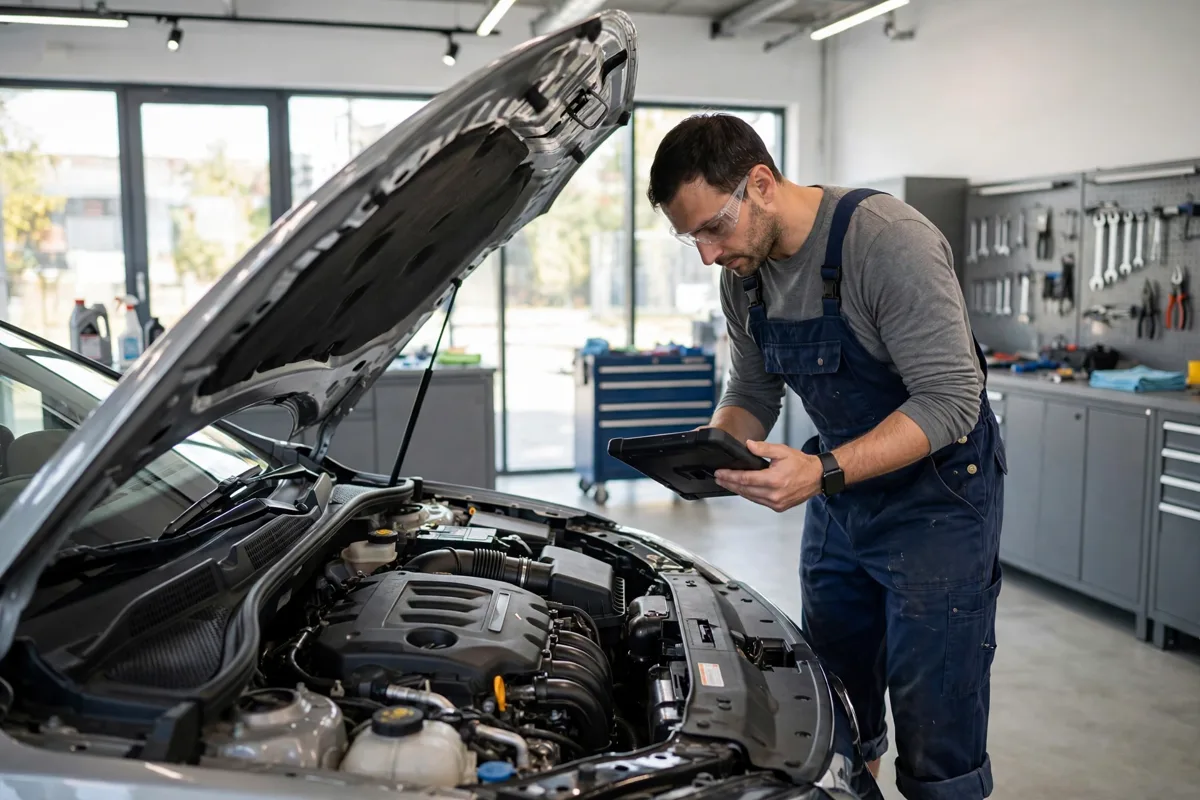
Ask almost any driver who has visited a garage recently and you will hear the same story: the bill was bigger than expected. Vehicle repair costs have been climbing steadily, and work that once felt routine, a headlight unit, a windscreen, a set of brakes, can now arrive with a quote that makes people pause. Understanding why repairs cost more than they used to helps you plan, compare quotes fairly and avoid the panic that leads to poor decisions.
There is no single villain. Modern vehicle repair costs reflect how cars themselves have changed, how garages operate and what is happening in the wider economy. Here are the main forces pushing prices upward, and what you can realistically do about them.
Cars Are More Complex Than They Used to Be
The biggest driver of rising vehicle repair costs is the car itself. A modern family hatchback carries more technology than a premium saloon did twenty years ago. Bumpers hide parking sensors and radar units. Headlights are sealed LED assemblies rather than simple bulbs. Windscreens carry cameras that feed driver assistance systems, which means a replacement screen often needs specialist calibration afterwards.
All of this means a minor knock that once needed a panel and a bulb can now involve electronics, software and alignment work. Even routine jobs take longer because components are packaged tightly and diagnostic equipment is needed before a spanner comes out. Our guide to EV servicing in the UK shows how this shift is even more pronounced with electric cars, where high-voltage systems require trained technicians and dedicated safety procedures.
Parts Prices and Availability
Garages do not set the price of parts, and parts have become more expensive to make and move around the world. Raw material costs, energy prices and shipping all feed into the figure on your invoice. Electronic components are particularly sensitive to supply problems, and when a part is scarce, prices rise and waiting times grow.
There is also a design factor. Manufacturers increasingly sell assemblies rather than individual components. If one small element inside a unit fails, the whole unit may need replacing. That keeps repair quality consistent, but it raises the cost of what would once have been a small fix.
Labour: Skilled Hands Are in Short Supply
Vehicle repair is skilled work, and the industry has struggled for years to recruit and train enough technicians. Fewer experienced mechanics means garages must pay more to attract and keep them, and those labour rates appear on your bill. Training costs have risen too, because staying current with hybrid and electric technology, diagnostics and safety systems requires constant investment.
Workshops also face the same pressures as every other business: rent, energy, insurance and equipment. Diagnostic machines, lifts and calibration rigs are expensive to buy and maintain, and those overheads are spread across the jobs a garage completes.
The Jobs Themselves Are Changing
Some repairs that drivers delay end up costing more because small problems grow. Brake wear is a good example: pads are a modest job, but worn pads left too long can damage discs and turn a simple service item into a bigger bill. Our article on why brake maintenance saves more than money explains how timely attention protects both your wallet and your safety.
The same pattern applies elsewhere. Ignoring tyre services until tyres are bald risks uneven wear on replacement sets, and skipping wheel alignment after a pothole strike can shorten the life of expensive new tyres. Preventive maintenance has not become more important because garages say so; it has become more important because the parts it protects cost more to replace.
How to Keep Your Own Costs Under Control
Stay ahead of scheduled maintenance
Following the service schedule in your handbook remains the cheapest strategy available. Fresh oil, filters and fluids protect the most expensive components you own, your engine and gearbox, and a documented history supports the car’s value when you sell it.
Get itemised quotes and ask questions
A trustworthy garage will happily explain what failed, why it failed and which parts of a quote are urgent versus advisable. Ask for old parts back if you want reassurance. Comparing like-for-like quotes from two or three garages is reasonable, but be wary of a quote that is dramatically cheaper than the rest; it usually means something has been left out. As we discuss in our piece on what builds trust in automotive service companies, transparency is the clearest sign of a business worth returning to.
Consider quality independent garages
Independent specialists often combine main-dealer level equipment with lower overheads. Look for reviews, accreditations and evidence that they regularly work on your make of car. For older vehicles, a good independent can also advise honestly on whether a repair is worthwhile at all.
Budget for the car you own
Setting aside a small amount each month for maintenance turns a surprise bill into a planned expense. Drivers who think this way also tend to fix small issues early, which keeps them small. If repair quotes on an ageing car start arriving too often, it may be time to weigh them against changing the car; our analysis of the UK used car market can help you judge what your money buys elsewhere.
Reading a Quote Like a Mechanic
When a quote lands, look at how it is built. Parts, labour time and consumables such as fluids and disposal should be visible as separate lines. Labour is usually charged by the hour against a standard time set for that job, so two garages quoting different times for the same repair are telling you something about how they work. Ask which brand of part is being fitted, because a manufacturer part, a quality aftermarket part and a budget part can differ widely in price and lifespan. A clear, itemised quote is not just paperwork; it is evidence that the garage understands the job and is willing to stand behind it.
Will Costs Come Down Again?
Probably not in any dramatic way. The technology content of cars continues to grow, and the skills needed to repair them are not getting simpler. Some relief may come as independent garages gain better access to manufacturer data and as parts supply chains settle, but the long-term direction is set by the vehicles themselves.
The realistic response is not to fear the garage but to manage the relationship: maintain the car properly, understand your quotes, and choose workshops that explain their work. Vehicle repair costs may keep rising, but informed drivers will always pay less than surprised ones.
