

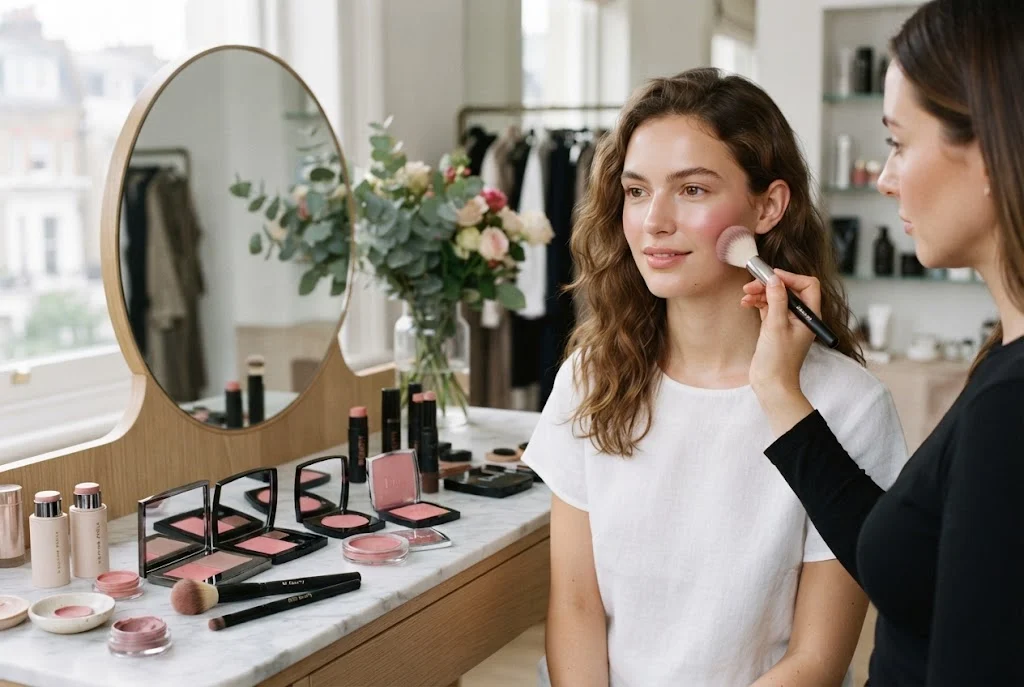
Finding the right blush makeup can make a noticeable difference to an everyday beauty look. The right shade can add warmth, definition and a healthy-looking flush without making the complexion appear heavily made up. However, choosing between powder, cream and other formulas can be confusing, particularly when different blush colours work better with different skin tones and makeup styles.
Whether you prefer a subtle pink tint, a warm peach finish or a deeper rosy look, the best blush is usually the one that blends naturally into your complexion and works comfortably with the rest of your makeup. This guide explains what to consider when choosing makeup blush, how to select a flattering blush colour and how to apply it for a soft, natural finish.
What Makes Good Blush Makeup?
A good blush should add colour without looking disconnected from the rest of the face. The texture, pigmentation, finish and shade all affect the final result. A highly pigmented formula can be useful when you want stronger colour, while a softer formula may be easier for beginners who prefer a sheer wash.
The best choice also depends on your base makeup. Powder blush can sit naturally over a powder-based complexion, while cream blush often works particularly well with lightweight or dewy foundations. If you enjoy experimenting with different textures, our upcoming guide to cream blush will explore how cream formulas create a softer, more luminous finish.
It is also worth considering how easy a product is to blend. Blush should ideally diffuse into the surrounding makeup rather than leaving a visible circle of colour on the cheeks.
How to Choose the Right Blush Colour
Your natural colouring is a useful starting point when choosing a blush colour, but there is no single rule that applies to everyone. Skin depth, undertone, personal preference and the rest of your makeup can all influence which shades look balanced.
Pink Blush Colours
Pink blush is a popular choice for creating a fresh, youthful-looking flush. Light pink shades can work well for subtle daytime makeup, while richer rosy tones can provide more definition.
If you want a natural effect, look for a pink that complements rather than strongly contrasts with your complexion. A soft rose or muted pink can often appear more natural than an extremely bright shade.
Peach and Coral Shades
Peachy blush can add warmth to the complexion and pair particularly well with warm-toned eye makeup. Peach, apricot and coral shades can create a lively finish without necessarily looking overly pink.
For a softer result, consider a peachy pink blush rather than an intense orange-toned product. This can provide warmth while retaining the fresh appearance associated with traditional blush.
Rose and Mauve Shades
Rose and mauve shades are versatile options for people who want something between pink and a deeper neutral tone. They can work particularly well for evening makeup or when you want your cheeks to have more visible definition.
A muted mauve can also complement cooler makeup looks without creating an overly bright contrast.
Should You Choose Powder or Cream Blush?
The formula you choose can change both the appearance and application of your blush. Powder blush is familiar, easy to build and available in a wide range of finishes. Cream formulas, on the other hand, can give the cheeks a more skin-like appearance.
If you prefer a polished matte or softly luminous finish, powder may be a practical choice. If you prefer a dewy complexion, cream formulas can be worth exploring.
For a detailed comparison, our guide to powder blush vs cream blush will cover the differences between these two popular options and explain when each formula may suit your routine.
The important point is that neither formula is automatically right for everyone. Your skin type, foundation, desired finish and application technique should all influence your decision.
How to Apply Blush Makeup for a Natural Flush
Application technique can be just as important as the product itself. Even a high-quality cosmetic blush can look unnatural if too much is applied in one area.
Start With a Small Amount
Begin with a small amount of product and build the colour gradually. This gives you more control and makes it easier to achieve a natural finish.
With powder blush, lightly tap excess product from the brush before touching the cheeks. With cream blush, use a small amount and blend it gently with your fingers, a sponge or an appropriate brush.
Place the Colour Carefully
For a fresh everyday appearance, place blush around the natural area where your cheeks gain colour. Blending slightly upwards can help connect the cheek colour with the rest of the face.
Avoid concentrating too much product in a single small spot. Soft edges are usually what make blush appear more naturally integrated into the complexion.
Blend Before Adding More
Always assess the colour after blending before adding another layer. If the blush still looks too strong, blending may solve the problem without requiring additional foundation or powder.
Layering gradually is especially useful with highly pigmented blushes because the colour can become much stronger after several applications.
What Blush Finish Should You Choose?
Blush products can have matte, satin, luminous, shimmery or glossy-looking finishes. The right option depends on the effect you want.
A matte blush can provide a clean and understated appearance. Satin formulas offer a little more dimension without looking strongly reflective. Shimmery blush can catch the light and make the cheeks look more luminous, although it may be less suitable if you want an entirely natural-looking finish.
For everyday makeup, a soft satin or naturally radiant finish can provide a useful middle ground. It adds dimension while allowing the skin to remain the focus.
How Skin Type Can Affect Your Blush Choice
Skin type can influence how different blush formulas behave throughout the day. People with oilier skin may prefer powder blush because it can provide a more controlled finish. Those with dry or dehydrated-looking skin may prefer cream or balm-like textures that maintain a more moisturised appearance.
However, these are starting points rather than strict rules. Modern formulas vary considerably, and your foundation or skincare routine can change how a product performs.
If your makeup tends to move during the day, consider how your blush interacts with your base. Applying several layers of different products without allowing each layer to settle can sometimes make the complexion look uneven.
Can You Use Blush With Minimal Makeup?
Absolutely. Blush does not need to be part of a full makeup routine. A small amount of blush on the cheeks can add colour even when you are wearing little or no foundation.
For minimal makeup, choose a sheer or buildable formula and blend the edges carefully. A soft rosy or peach tone can give the face a more awake appearance without creating a heavily made-up effect.
This approach can also make blush easier to incorporate into everyday routines when you want something quick and uncomplicated.
Blush Makeup for Different Makeup Styles
The best blush makeup choice depends partly on the overall look you are creating.
Natural Everyday Makeup
For an understated daytime look, choose a soft pink, muted rose or gentle peach. Keep the application light and focus on seamless blending.
Glowy Makeup
For a luminous complexion, a cream or satin blush can work well with other radiant products. Avoid applying too many reflective products to the same area if you want the result to remain natural.
Full Glam Makeup
A stronger blush can complement dramatic eye makeup or a defined lip. In this situation, a more pigmented formula can provide the intensity needed to remain visible alongside other products.
You may also want to coordinate your cheek colour with your lip product. Our future guide to lip gloss will explore ways to combine glossy lip products with different beauty looks.
What Is a Good Blush for Beginners?
Beginners often benefit from choosing a blush that is easy to control and blend. A buildable formula can be more forgiving than an extremely pigmented product because you can gradually increase the colour.
Neutral pink, soft rose and peach shades are useful starting points because they can complement a variety of everyday makeup styles. However, personal preference still matters. If you naturally prefer mauve or warmer colours, there is no need to limit yourself to traditional pink blush.
A good blush should also fit naturally into the rest of your routine. Consider the foundation, concealer, bronzer and highlighter you already use before purchasing another product.
Should You Buy a Blush Palette or Individual Blush?
A blush palette can provide several shades in one product, making it useful for people who enjoy changing their makeup according to the season, occasion or overall look. It can also help you experiment with different blush colours without purchasing several individual products.
An individual blush may be more practical if you already know which shade suits you. It can also reduce unnecessary product purchases when you prefer to keep your makeup collection simple.
When considering a palette, look at whether the colours are genuinely different enough to be useful. Several nearly identical shades may offer less flexibility than a smaller selection of clearly distinct tones.
What About Benefit Blush Products?
Benefit is a well-known beauty brand with a range of cheek and brow products, and its blushes are part of a wider makeup collection. If you are considering branded options, our dedicated guide to Benefit blush will cover the brand’s blush range and related brow products separately.
When comparing branded blushes, look beyond the name alone. Consider shade range, formula, finish, packaging, ease of application and how the product fits your existing routine.
How to Make Blush Last Longer
Blush longevity depends on the formula, skin type, base makeup and application technique. Starting with a well-prepared base can help the product apply more evenly.
If you use cream blush, applying a compatible setting product can help maintain the overall makeup look. Some people also layer a small amount of powder blush over cream blush, although this should be done carefully to avoid an overly heavy finish.
Touching the face frequently can also remove makeup during the day. If longevity is important, keep your application controlled rather than repeatedly adding more colour.
How to Choose Blush Makeup for Sensitive Skin
People with sensitive skin should pay attention to how their skin reacts to cosmetic products. Ingredients in cosmetics can trigger irritant or allergic contact dermatitis in some people, and the NHS advises checking makeup ingredients when trying to identify potential irritants or allergens.
If a particular cosmetic causes persistent irritation, stop using it and consider speaking with a pharmacist or healthcare professional. The NHS explains that contact dermatitis can affect the face and may be caused by irritants or allergens, including substances found in cosmetics.
For further information about skin reactions and cosmetics, see the NHS guidance on contact dermatitis.
Final Tips for Choosing Great Blush Makeup
The best blush makeup is not necessarily the most expensive or highly pigmented product. It is the formula and shade that work naturally with your complexion, makeup routine and preferred finish.
Before buying, consider these points:
- Choose a blush colour that complements your complexion and overall makeup.
- Decide whether you prefer powder, cream or another texture.
- Consider whether you want a matte, satin, luminous or shimmery finish.
- Look for buildable pigmentation if you are new to blush.
- Check how the formula works with your foundation.
- Blend gradually rather than applying a large amount at once.
- Consider individual blushes if you already know your preferred shade.
- Choose a palette if you want more flexibility between colours.
- Check ingredients if your skin is prone to cosmetic irritation.
- Think about how the blush fits with your lip and eye makeup.
Ultimately, blush should enhance the complexion rather than overpower it. A carefully chosen pink, peach, rose or mauve shade can bring balance and warmth to an everyday makeup routine, while the right formula makes application easier and the finish more comfortable.
As you explore different products, comparing blush formulas, colours and finishes can help you understand what works best for your individual routine. That makes it easier to build a beauty collection that feels practical, versatile and genuinely suited to your style.
